

Flip Phone
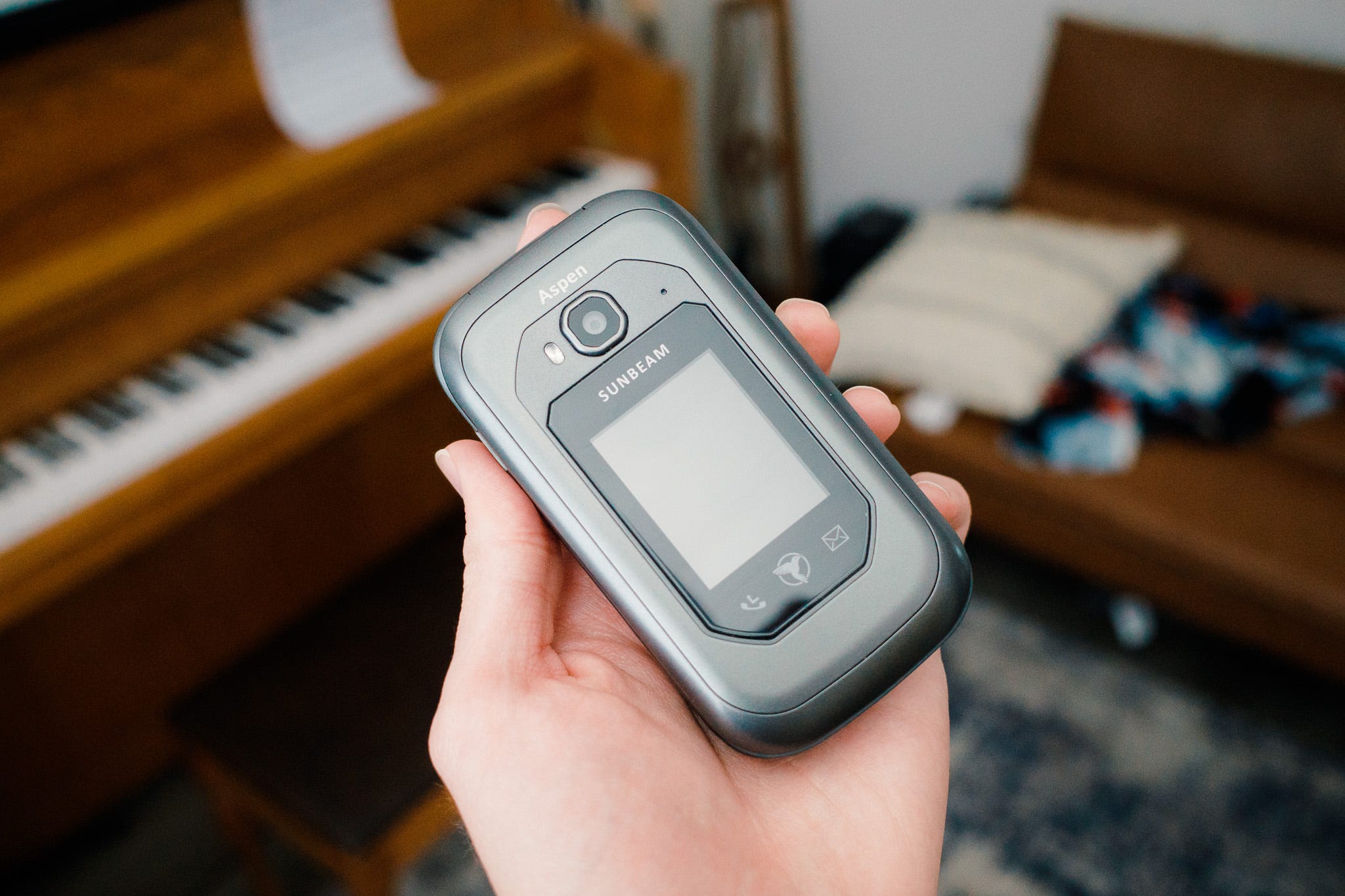
If you’ve read some of my newsletters, you probably won’t be too surprised to hear that I bought a flip phone. I’ve been using it for a little over 4 months and love it. My iPhone 13 mini is in the morgue.
Do I miss anything about the smart phone? Ehhhh, being able to react to people’s messages with the little hearts or “ha-has.”
Do I miss anything else? Nope.
I love that my phone is back to being a phone instead of a black hole to the internet.
I use it to call and text, to set timers/alarms, and to navigate. If I want to listen to music or a podcast, I connect it to my computer and drag some mp3 files onto it. Kinda clunky, kinda fun.
Which flip phone did I buy? The Sunbeam F1 Pro.
What’s cool about the Sunbeam company is that they take their phone and make different versions with different feature-sets. I got the Aspen because I wanted gps and a hotspot, but I didn’t want access to my email.
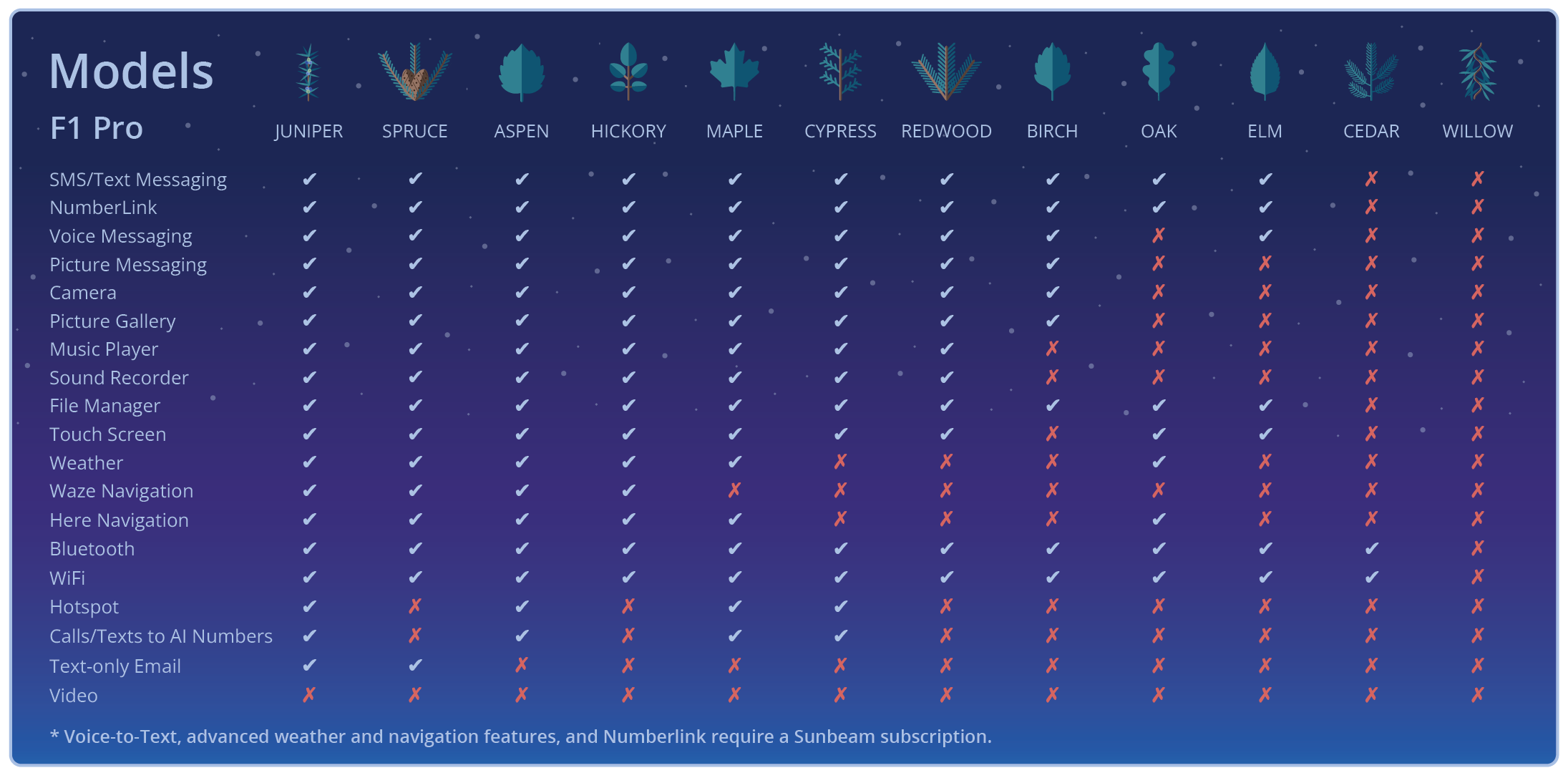
The other cool thing is their numberlink service which allows me to text from my computer. Don’t get me wrong, I’ve actually gotten pretty fast with the whole T9 thing, but sometimes, when I’ve got a batch of messages to send, it’s nice to just let my fingers fly on the keyboard. (What’s the point of practicing on monkeytype.com if I’m not going to put that wpm to use?)
If I ever go away from a flip phone, it will probably to the Clicks Communicator or something like it. Something running android or a likewise customizable os instead of Apple’s straitjacket. I would keep a short list of apps on it, none of which would be browsers, social media, or videos. Just reading, listening, communicating, and navigating.

Meditation
The point of meditation is to practice the skill of mindfulness, and the natural result of mindfulness is headspace. Let me talk about these things in reverse order.
HEADSPACE
Headspace is the experience of “existing in a place where you are at ease with whatever emotion is present” (65). This ease is a calm, and “with calm comes clarity. You begin to see how and why you think and feel the way you do. You start to notice the patterns and tendencies of the mind. And what this does is to give you back the choice of how you live your life. Rather than being swept away by undermining or unproductive thoughts and emotions, you can respond in the way you'd actually like to” (109).
So headspace isn’t the absence of emotions, thoughts, or feelings but rather a disposition of ease toward whatever thoughts and sensations are in one’s mind and body. This ease creates space between yourself and your thoughts, giving you more choice.
MINDFULNESS
“Mindfulness means to be present, in the moment, undistracted. It implies resting the mind in its natural state of awareness, which is free of any bias or judgment” (18).
You can be mindful at any/every point of the day, not just when you’re sat down to meditate. As you wash the dishes, your mind might tunnel after some thought, replay something that happened in the day, or anticipate the events of tomorrow. Being mindful while washing the dishes would mean to let go of these operations of the mind and simply be aware of present sensations: the feeling of the dish in your hand, the temperature of the water, the smell of the soap (or the stinky rag).
You’re present to the present, undistracted. You’re not judging the events. You’re just experiencing them.
MEDITATION
To increase your capacity for mindfulness, you must intentionally practice it. This is where meditation comes in.
If I were to distill what it means to meditate it would be this: be aware of a particular thing on purpose, notice when the mind has wandered, direct your awareness back to the particular thing.
There are a variety of things that this “particular thing” could be. In fact, as I meditate, I progressively shift what this thing is:
the space around me
the feeling of my body pressing down on the floor
the sounds in the room
the sensations throughout my whole body
the sensation of my breath (sometimes the feeling of my belly or chest moving, other times the sensation of air moving in my nostrils or at the back of my throat)
Naturally, my mind will start to wander or think about whatever I’m choosing to be aware of. I hear a car drive by, and my mind might start going. “That was loud. I wonder what kind of car that was. Wow, I’m so distracted. I gotta get back to meditating. Am I doing this right?” As soon as I notice that my brain is doing this, I acknowledge it and then simply go back to being aware of whatever my point of focus is.
This is meditation.
ANXIETY
In the last year of my life, I’ve experienced a drastic rise in anxiety. There have been days where it’s been hard to be in public, nights when panic has raced through me, and afternoons where all I wanted to do was sleep to get away from my mind. It felt like I had mental tunnel vision dictated by fear, worry, and guilt.
I’ve learned that a key to responding to any anxiety disorder is the way we relate to our minds. It’s less the anxiety itself that’s the problem, but more-so our involvement with it. We are anxious about being anxious, so we do everything we can to not be anxious. Our efforts to resist, avoid, or control the anxiety only fuel its fire.
Meditation increases my capacity to experience anxiety without the need to resist it or change it. I simply practice being aware of it. From this awareness, this mindfulness, I am more at ease with not feeling at ease. I’m more okay with feeling anxious. And, as it so happens, I’m usually anxious less (both in frequency and intensity).
It’s the Nanny McPhee principle: when I don’t want to experience anxiety, that’s when it sticks around; when I’m okay with it being there, it tends to leave.
From ease comes space, and with space there is more room to choose. I experience less of the fear-induced tunnel vision and rumination I mentioned before. I am more able to make decisions based on what I value regardless of the way I feel.
Some logistics:
This book was great for helping me understand meditation. (It’s also the book that I quote in the writing above.)
I love doing the daily Headspace meditations. I listen to the introductory bit to improve my understanding of meditation/mindfulness, and then I usually mute it and do the exercise on my own. Use this link for a free trial of the app.
Sitting on a zafu (meditation cushion) is nice because it elevates your hips, aligns the spine, and creates a more stable base for sitting on the ground. It’s also nice to tie my practice of meditating to a specific object.
Speaking of objects, I’ve also enjoyed using meditation beads as something to focus my awareness on.

Photography
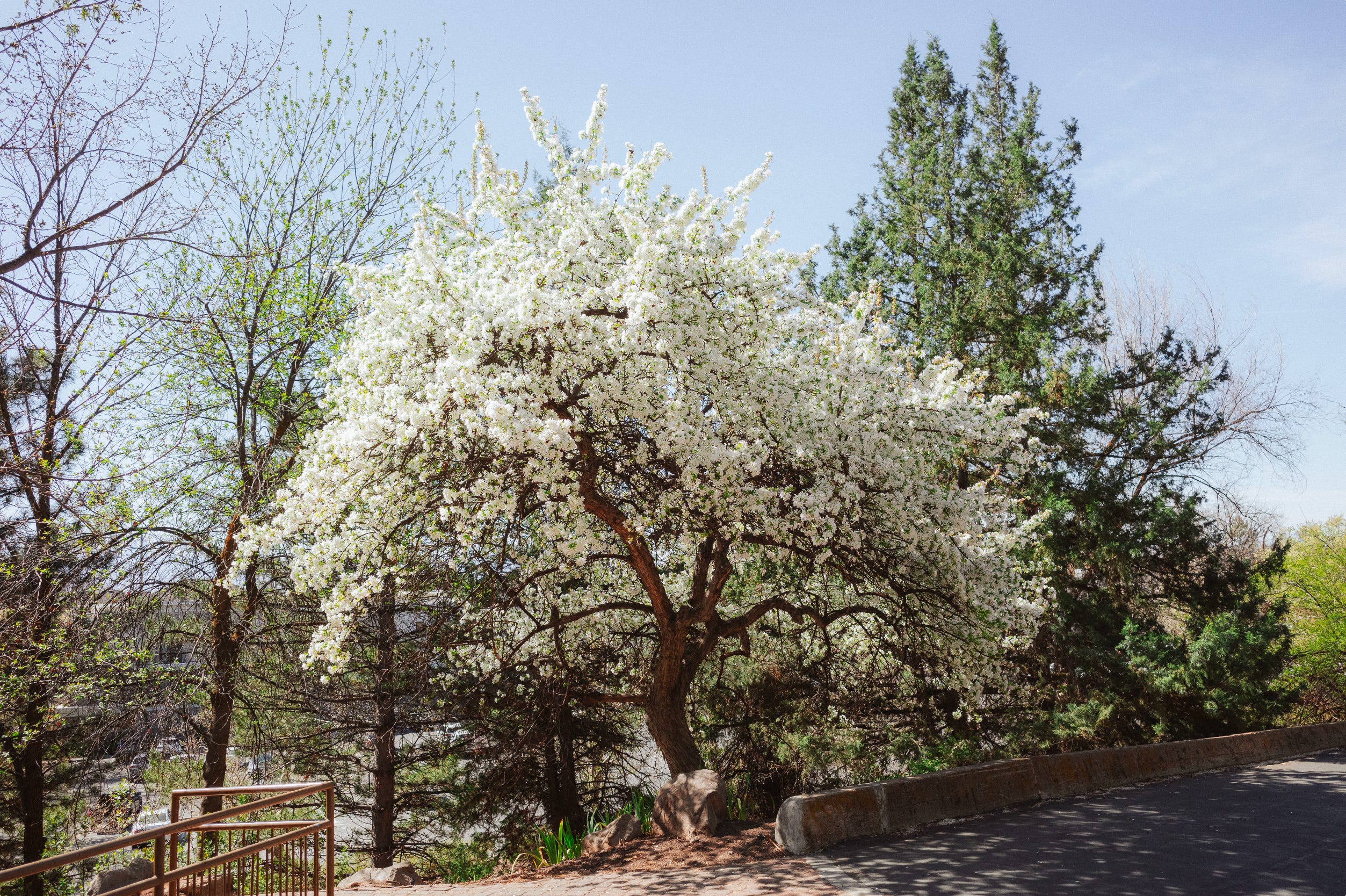
Spring Tree; California in November; Beach in November; Baldy; Music Room; Fall Canyon Drive


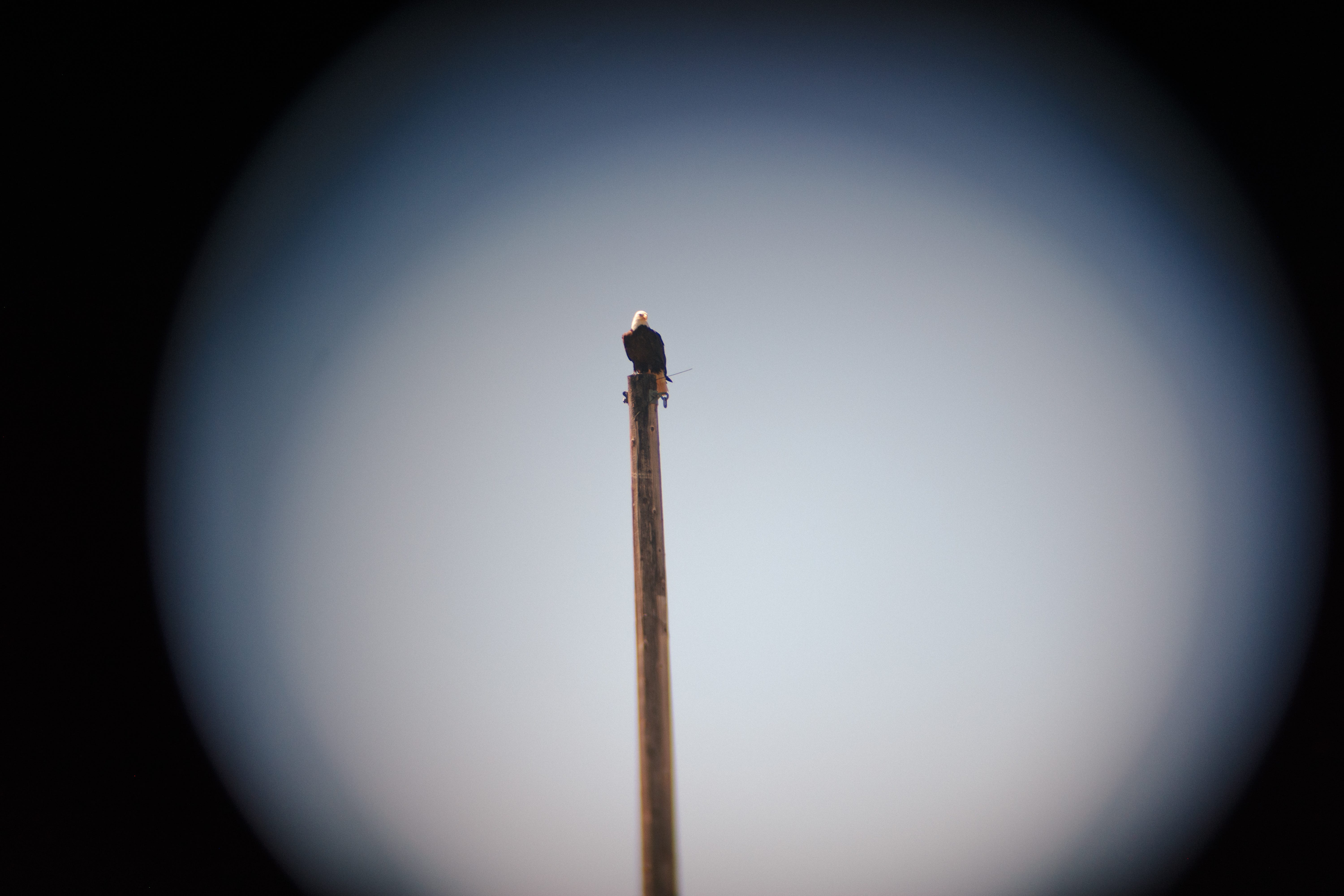

Field Recordings
Red-winged Blackbird Singing on a Windy Day
Waves into Sand
Guitar at Grizzly Peak, Disneyland
Disneyland Ambience
Goodies
Tiny Puppet Sound ☞ I love listening to vinyl/DJ sets from youtube. I love it more when the DJ is a puppet.
El Prado by ann annie ☞ This is the album I’ve listened to the most over the last year. I love it.
Gerard Manley Hopkins ☞ I really liked listening through the Hopkins season on this podcast. It was my first exposure to Hopkins. His sprung-verse is captivating.

Mental Health (for Humans) by Kenneth Reitz ☞ This essay reframes what a diagnosis means in a needed way.
Video Games ☞ I’ve been enjoying Celeste, Hyper Light Drifter, and MarioKart World. (And some Minecraft and Stardew Valley.)
Tennessee Red Pencils ☞ These pencils have a sharp and spiced(?) smell that lasts a long time. I also like the color and grain of the wood.
✵ ❂ ✵ ❂ ✵ ❂ ✵
2026 Book Log
FINISHED READING
January
Why They Can’t Write — John Warner
More Than Words — John Warner
February
Death Comes for the Archbishop — Willa Cather
Treasure Island — Robert Louis Stevenson
April
The Editors — Stephen Harrison
March Book 1 — John Lewis, Andrew Aydin, Nate Powell
March Book 2 — John Lewis, Andrew Aydin, Nate Powell
May
Night — Elie Wiesel
June
The Hobbit — J.R.R. Tolkien
The Headspace Guide to Meditation and Mindfulness — Andy Puddicombe
The Art of Living — Grant Snider
First You Write a Sentence — Joe Moran
July
In Bed with the Word — Daniel Coleman
○○○
READING
Liturgies of the Wild — Martin Shaw
Make Your Home in this Luminous Dark — James K.A. Smith
The World-Ending Fire — Wendel Berry
The Fellowship of the Ring — J.R.R. Tolkien
Missed these posts. Thanks for taking the time to write, i loved taking the time to read.
there is nothing like a brandon merrill newsletter to remind to slow wayyyyy down. much needed post.